The Most Common Reasons Homeowners in Washington State Invest in New Insulation
- Home Improvement
Jessica C. Dills
- 0
- 4 minutes read
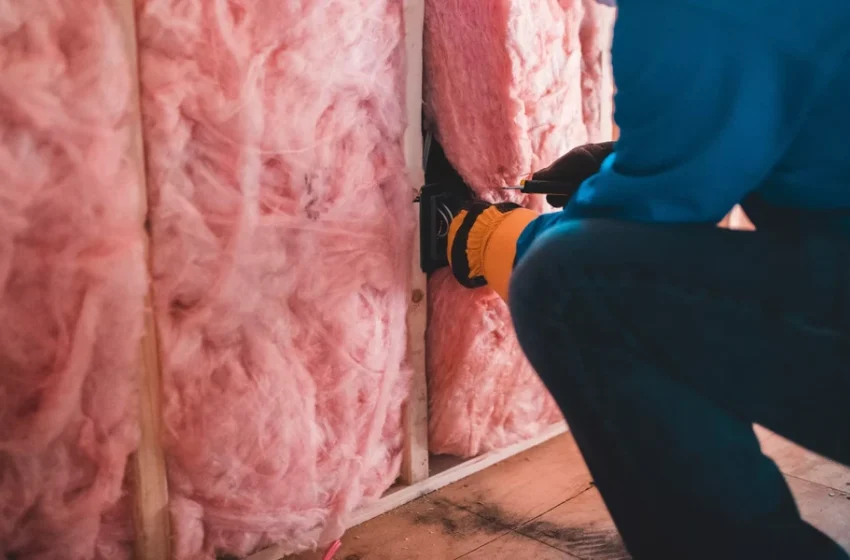
A home may feel uncomfortable even when its heating and cooling equipment works properly. Cold floors, uneven room temperatures, rising energy use, and damaged material can point to weak thermal protection. These concerns matter across Washington state, where seasonal changes affect indoor comfort throughout the year. Attic and crawl-space conditions can also reduce the effectiveness of existing coverage. A professional assessment helps determine which areas require removal, replacement, or added protection. The sections below explain the most common reasons homeowners decide to invest in updated insulation.
Uneven Temperatures Across The Rooms
Rooms that remain colder or warmer than nearby spaces may indicate inconsistent coverage. Homeowners may consider new insulation in Washington State when upper rooms feel warm, lower areas stay cold, or floors remain uncomfortable through winter. Proper material in attics, subfloors, and crawl spaces helps slow heat transfer between indoor areas and the exterior.
More consistent coverage supports steadier temperatures throughout the house. It can also reduce frequent thermostat adjustments caused by rooms that heat or cool at different rates. A detailed inspection helps identify thin, displaced, or missing sections.
Common Signs of Inconsistent Coverage
Possible warning signs include cold floors, noticeable temperature differences, visible gaps, compressed material, or areas with limited protection. These clues may become clearer near attic access points, crawl spaces, or exposed subfloors. Professionals can examine each section before recommending suitable work.
Energy Bills Keep Going Up
Insufficient attic or subfloor insulation can allow indoor heat to escape more easily. Heating and cooling equipment may then run longer to maintain the selected temperature. This extra demand can contribute to higher household energy use.
An evaluation can reveal where existing material has settled or no longer provides even coverage. Replacing weak sections may help the property retain conditioned air more effectively. Actual results vary according to the building, equipment, and condition of the insulated areas.
Rodents Have Damaged the Existing Material
Rodents can damage insulation while moving through attics and crawl spaces. They may compress sections, create pathways, or leave droppings and other contamination behind. Placing fresh material over affected areas would fail to address the condition underneath.
Professional removal allows damaged insulation and accessible debris to be cleared before replacement. Entry points may also require sealing as part of rodent exclusion work. This process helps restore a cleaner and more consistent thermal layer.
Moisture Has Affected the Crawl Space
Moisture can reduce the condition and usefulness of insulation beneath a house. Damp odors, water marks, condensation, or visibly wet material may signal the need for an inspection. The surrounding crawl-space conditions should receive attention before replacement begins.
Vapor barriers, drainage measures, or other moisture-control services may form part of the broader solution. Addressing the source first helps protect new material from further exposure. This approach is especially relevant for properties exposed to the damp climate found across Washington state.
Old Insulation No Longer Works Well
Older insulation can settle, compress, shift, or become damaged over time. Renovation work may also disturb sections that once provided continuous protection. These changes can leave gaps across an attic, subfloor, or crawl space.
Installing new insulation in Washington state allows worn or incomplete coverage to be replaced according to the present condition of the house. The work may focus on one area or several connected sections. A proper assessment helps determine which material should remain and which sections require removal.
Homeowners invest in updated insulation to improve comfort, control energy loss, replace contaminated material, and address weakened attic or crawl-space coverage. Warning signs may include uneven temperatures, higher energy use, rodent activity, moisture exposure, or visible gaps. Professional assessments help identify which areas need attention without relying on assumptions. Across Washington state, correctly installed insulation can support steadier indoor conditions and more efficient household performance.
