How to Read a CBD Label Before You Buy for Your Dog or Cat
- Pet
Hilda Yang
- 0
- 8 minutes read
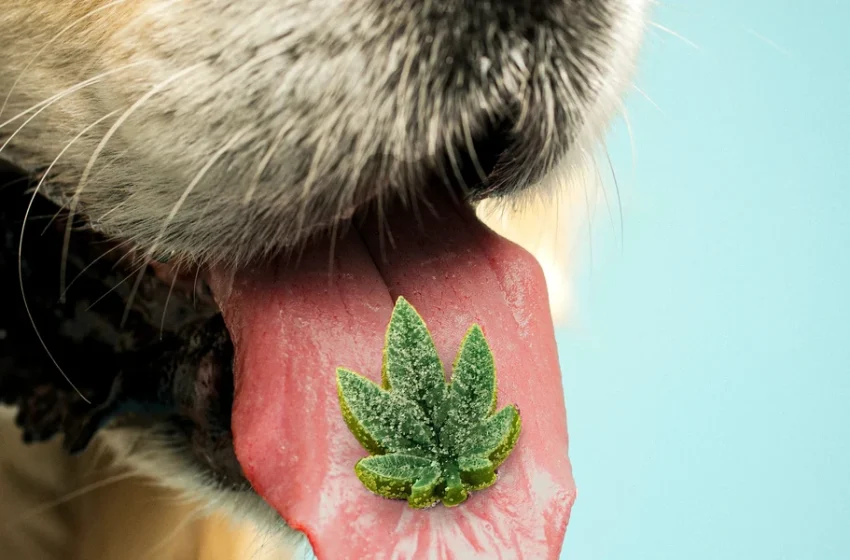
Thirty-two dollars for a bag of bacon flavored dog treats that may or may not contain what the bag claims. That was the moment I started reading pet CBD labels like a suspicious tax auditor, and it changed how I shop for my own two dogs.
Here’s the promise: by the end of this piece, you’ll know exactly which four lines on a label decide whether a product is worth your money, and which claims are just decoration. Most shoppers flip the bag over, look for a number, and buy the one with the biggest one. That’s backwards.
The pet CBD market has exploded in the last decade, and unlike human supplements, the rules governing what goes on the package are genuinely murky. That murkiness is exactly why a short label education pays off. If you’ve ever stood in a store squinting at two nearly identical tins wondering which one to trust, you’re not alone, and you don’t need a chemistry degree. You need to know that CBD for pets is sold under a patchwork of state rules and voluntary testing, which means the label itself is often the only quality signal you get before you open your wallet.
Why the Label Is the Whole Ballgame
Human supplements in the United States don’t go through pre-market approval the way drugs do. According to the Food and Drug Administration, dietary supplements are regulated as a category of food, which puts the burden of accuracy mostly on the company selling them. Pet products sit in an even stranger spot, because the FDA oversees animal food and drugs while state departments of agriculture handle a lot of the hemp licensing.
So when you pick up a bag of dog chews, nobody has checked it for you. That’s not a reason to panic. It’s a reason to read.
I’d rather buy from a company that publishes a lab report than one that prints “vet approved” in a cursive font. One of those is a claim. The other is evidence. You can guess which one I trust with a fourteen year old terrier who has opinions about everything.
What Four Lines Actually Matter
Skip the front of the bag entirely on your first pass. Flip it over and find these.
- Milligrams of CBD per container, not per treat or per drop. A bag that says “10mg” might mean 10mg across the whole bag or 10mg in each piece. The math on serving size depends entirely on which one it is, and the difference is enormous.
- Serving size in the same unit as the total. If the label says 300mg total and 30 servings, that’s 10mg per serving. Do that division yourself before you decide anything.
- A batch or lot number. This is the single most underrated line on the package. Without it, you cannot look up a third party test, and a company that skips it is telling you something.
- Extraction method and carrier, in plain words. CO2 extraction and a recognizable oil like coconut or hemp seed oil are easier to interpret than a paragraph of proprietary blend language.
If the back of the bag has all four, keep reading. If it has one, put it down. That’s my rule and I’ve never regretted it.
Does a Bigger Number Mean a Better Product?
No, and this is where most buyers go wrong. A 1000mg bottle of tincture sounds stronger than a 300mg bag of treats, but they’re not doing the same job and they’re not dosed the same way. A tincture gets measured in drops under the tongue. A chew gets eaten, chewed, and digested. Concentration per serving is the only number that carries across formats.
The label also won’t tell you how your specific animal responds. Species, weight, age, and general disposition all change the picture, and a vet who knows your dog is a better resource than any package. The American Veterinary Medical Association maintains public resources on cannabis and pet health, and it’s a sensible first stop before you introduce anything new into your dog’s routine.
My stance: buy the smaller format first. Always. A $5 five-pack tells you more about how your animal reacts than a $60 bag you’re stuck with for three months. If it works, you’ve spent almost nothing to learn that. If it doesn’t, you’ve saved yourself a return label.
The Batch Number Trick
Here’s the part I wish someone had handed me years ago, and it’s become a habit I don’t break. Before buying anything from a brand I haven’t used, I write down three things in my phone: the brand, the total milligrams, and the batch number printed on the package.
Then I check whether the company publishes a lookup tool on its own site. Some do, and it’s usually a simple page where you type the lot number and a report appears. That report should show the batch tested for the compound itself and for things you don’t want in the product, which is the whole reason the testing exists.
Companies that publish batch-level results are the ones I come back to. Companies that bury a single generic PDF from three years ago are not. Both exist. The batch number tells you which one you’re dealing with in about ninety seconds, and that beats reading a hundred five star reviews written by people who never opened the bag.
A Practical Walkthrough You Can Use in the Aisle
Next time you’re holding a package, run this in order. It takes about two minutes and you’ll get faster every time.
- Check for a total milligram figure and a stated serving count. Divide. That’s your per serving reality.
- Look for a lot or batch code. No code, no purchase, for me.
- Scan the ingredient list for anything you’d avoid feeding your animal in a regular treat. CBD shouldn’t arrive with a chemistry set attached.
- Find the extraction method. If the label won’t say, ask the brand before you buy.
- Confirm where the hemp was grown. Domestic sourcing is a signal, and the U.S. Department of Agriculture runs the federal hemp program that made legal cultivation possible in the first place.
- Start with the smallest package the brand offers.
That last step is the one people skip, and it’s the one that saves the most money. Nobody wants a cabinet full of abandoned bags.
The Questions the Label Won’t Answer
Two things stay outside the packaging no matter how thorough it is. First, your animal’s individual response, which only observation tells you. Second, whether a given product fits whatever else your pet is already taking, which is a conversation for a licensed vet, not a blog.
I’m not going to pretend a label solves all of that. What it does solve is the basic problem of knowing whether you got what you paid for. That’s a low bar, and plenty of products on the shelf still miss it.
Start with the back of the bag, not the front. Find the batch number, do the division, buy small, and let your animal tell you the rest. What’s the last product you bought for your pet because the front of the package convinced you before the back ever got a look?
