Hard Water and High Pressure Leave Clues Before Pipes Fail
- Home Improvement
Tracy Donna
- 0
- 9 minutes read
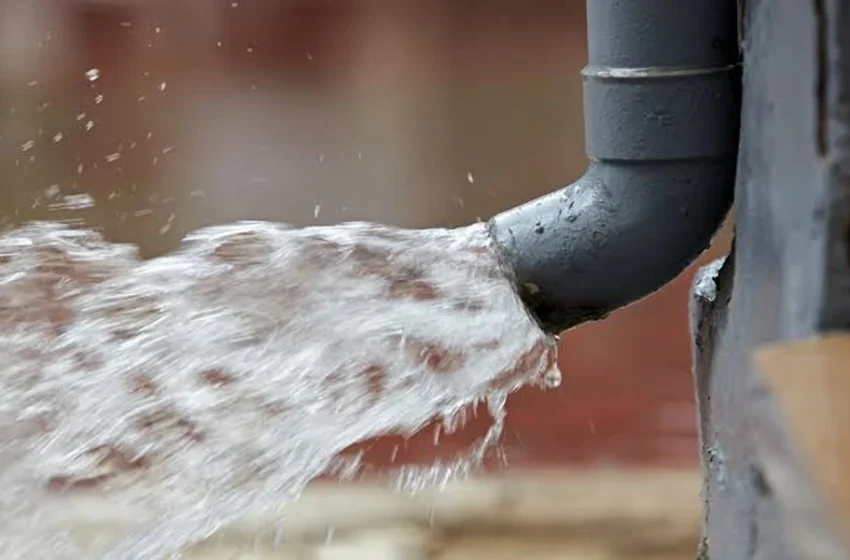
Most of the plumbing complaints that show up in Southern California homes are not random. Two local conditions sit behind a large share of them. The first is mineral content: Anaheim Public Utilities notes that most of Southern California has hard water, with its own supply running around 300 parts per million, or roughly 18 grains per gallon. The second is pressure. Many neighborhoods built on slopes or near large transmission mains receive water at the street well above what household fixtures are designed to handle.
Neither condition causes a sudden failure on its own. Instead, they wear parts down gradually and leave small, readable signs along the way. A water heater that starts popping, a toilet that refills in the middle of the night or a showerhead that sputters are all early warnings, and each one points toward a specific cause with a specific fix. Reading those signs correctly is the difference between a small repair and a burst line behind a finished wall.
FWC runs its plumbing trucks with stocked inventory, which means a failed pressure regulator, a worn fill valve or a scaled up water heater can often be handled on the first visit rather than after a parts run. The crews work in single family homes as well as apartment and condo buildings, where one bad regulator can affect dozens of units at once. Owners and property managers looking for Plumbing Repair in Orange County can submit a request through the estimate form on the company’s site and attach photos of the problem so the right parts arrive with the technician.
Reading the symptoms
The scenarios below follow the same path each time: what the homeowner notices, what usually causes it in this region, and what actually fixes it.
The water heater pops, rumbles or crackles
Symptom. A tank water heater makes knocking or popping sounds while heating, sometimes loud enough to hear from another room. Hot water may also run out sooner than it used to.
Likely cause. Calcium and magnesium settle out of hard water when it is heated and collect at the bottom of the tank. Water trapped under that layer boils in small bursts, which creates the noise. The sediment also insulates the water from the burner or element, so the heater works harder and longer for the same output.
Fix. A flush can clear loose sediment on a younger tank. Older tanks with heavy, hardened scale often do not respond to flushing, and repeated flushing of a badly scaled tank can sometimes loosen debris that clogs the drain valve. At that stage, replacement is usually the practical answer. Checking the anode rod during service helps extend the life of the next tank.
One faucet or showerhead loses flow while the rest of the house is fine
Symptom. A single fixture sputters, sprays unevenly or delivers noticeably less water than it did a few months ago.
Likely cause. Mineral scale builds up in aerators, showerhead nozzles and faucet cartridges, which have the smallest openings in the system. Because the problem is local, the pressure everywhere else stays normal.
Fix. Soaking or replacing the aerator or showerhead solves most cases. If the cartridge inside a single handle faucet is scaled, replacing the cartridge restores both flow and smooth handle movement. When low flow appears at every fixture instead of just one, the cause is more likely upstream, such as a failing pressure regulator or corroded galvanized supply pipe in an older home.
Pipes bang when a valve shuts off
Symptom. A sharp knock in the walls when the washing machine fills, the dishwasher stops or someone closes a faucet quickly.
Likely cause. This is water hammer, and it gets much worse when household pressure runs high. The California Plumbing Code requires a pressure regulator wherever static pressure exceeds 80 psi, but the City of Chino Hills points out that older homes may not have one because they were built before that requirement, and that regulators are typically set between 50 and 70 psi. Regulators that are present also wear out over time and can let full street pressure through.
Fix. A plumber tests static pressure at a hose bib with a gauge. If it reads above 80 psi, the regulator gets adjusted, rebuilt or replaced. Code also calls for an expansion tank downstream of a regulator to absorb pressure from heated water, and adding one often stops the knocking along with protecting the water heater.
The toilet refills on its own
Symptom. The tank refills briefly every so often with no one using it, or water keeps trickling into the bowl.
Likely cause. A flapper that no longer seals lets water leak into the bowl until the fill valve tops the tank back up. Scale on the flush valve seat and hardening of the rubber both break the seal. High pressure can also push a worn fill valve past its shutoff point.
Fix. A few drops of food coloring in the tank will show up in the bowl within minutes if the flapper leaks. Replacing the flapper is a small job. If the fill valve hisses or the water level sits above the overflow tube, the fill valve should be replaced too, and the house pressure checked.
A damp spot or green stain appears on copper pipe
Symptom. A small wet patch on drywall, a bluish green crust on exposed copper under a sink or in the garage, or a fine spray when the line is uncovered.
Likely cause. Pinhole leaks in copper usually start as pitting on the inside of the pipe. High velocity and high pressure speed up that wear, especially near elbows and fittings where flow turns sharply.
Fix. The damaged section gets cut out and replaced. A single pinhole often means others are forming nearby, so the repair should come with a pressure test. When pinholes keep returning in different parts of the house, a partial or full repipe becomes more economical than chasing each one.
A quick check before calling
| What you notice | Easy home check | Points toward |
|---|---|---|
| Rumbling water heater | Listen during a heating cycle, check tank age on the label | Sediment and scale |
| Weak flow at one fixture | Unscrew and inspect the aerator or showerhead | Mineral buildup in the fitting |
| Weak flow everywhere | Compare hot and cold side, ask neighbors | Regulator or old supply piping |
| Banging pipes | Hose bib gauge reading above 80 psi | Failed or missing regulator |
| Toilet refilling alone | Food coloring in the tank | Worn flapper or fill valve |
| Green crust on copper | Look for dampness at nearby fittings | Pitting and pinhole leaks |
Most of these checks take a few minutes and cost almost nothing. They will not replace a plumber’s diagnosis, but they narrow the problem enough to describe it clearly, which usually shortens the visit and keeps the repair focused on the real cause rather than the symptom.
