Why Pet Owners Value Transparent Communication At Animal Hospitals
- Pet Care
Clare Louise
- 0
- 8 minutes read
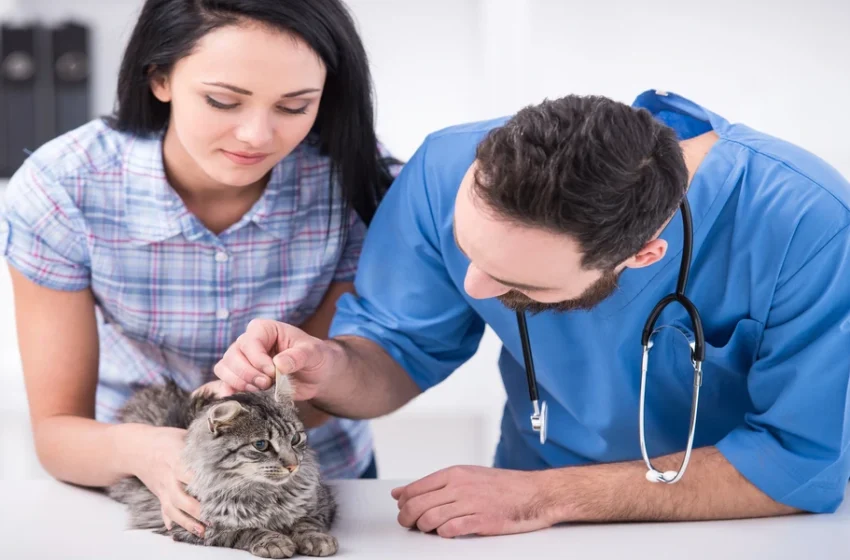
You hand over your pet, answer a few quick questions, and wait for news that feels like it should be simple. It rarely is. When your dog is limping, your cat has stopped eating, or the estimate suddenly grows, stress shows up fast. Most pet owners are not asking for perfect outcomes. Whether you need urgent treatment or pet dental care in Olympia, you want clear answers, honest updates, and a sense that the people caring for your animal are telling you the full story.
That is why transparent communication matters so much in an animal hospital. It shapes trust, affects medical decisions, and often determines whether you leave feeling supported or overwhelmed. Clear communication in veterinary care is not a bonus feature. It is part of good medicine, because confusion can lead to delayed treatment, missed follow up, and financial strain that feels worse when no one explains what is happening.
Transparent communication at animal hospitals builds trust when emotions are high
When a pet is sick, people hear information through fear. You may catch only half of what the veterinarian says, then replay the visit later and realize you are not sure what the diagnosis meant, why a test was needed, or what happens next. That gap matters. If the hospital communicates in vague terms, the worry grows. If the team explains findings in plain language, gives realistic options, and checks that you understand, the whole experience changes.
Trust is built in small moments. A receptionist who tells you the wait time honestly. A technician who explains why bloodwork is recommended before anesthesia. A veterinarian who says, “We have two reasonable options, here is what each one costs, and here is what we know right now.” Those moments tell you that you are being treated like a partner, not a bystander.
Research supports that point. Work published through Murray State University on communication in veterinary settings highlights how client satisfaction is closely tied to how clearly veterinary teams communicate. The issue is not only bedside manner. It affects compliance, trust, and the client’s ability to make informed choices.
Unclear communication in an animal hospital creates emotional and financial pressure
Pet owners usually brace for medical costs. What hits harder is surprise. If you expected a routine exam and leave with a four figure estimate that no one prepared you for, the shock can turn into guilt and panic. You may wonder if saying no makes you a bad owner, or if saying yes means taking on a bill you cannot manage. That is a painful place to be when your pet is already unwell.
The same thing happens with medical updates. If your pet is staying for treatment and no one calls when they said they would, your mind fills in the blanks. Is my pet worse? Did something go wrong? Silence tends to feel like danger, even when the staff is simply busy. Good communication prevents that spiral. It sets expectations early, then follows through.
Honest communication at veterinary hospitals also protects the care plan itself. If discharge instructions are rushed or packed with jargon, medications may be given incorrectly, warning signs may be missed, and follow up visits may be skipped. A broader body of medical research, including findings available through PubMed Central on communication and patient care, shows that communication quality has a direct effect on understanding, adherence, and outcomes. Pet medicine is no different in practice. Owners are the ones carrying out care at home, so clarity is part of treatment.
Transparent veterinary communication makes treatment decisions easier
Most cases are not as simple as yes or no. There may be the ideal plan, a lower cost plan, and a wait and monitor plan. A good animal hospital explains the tradeoffs without pressure. If your senior dog may need imaging, you should know what the scan could reveal, what it may not reveal, what sedation involves, and what the next step would be if the results are positive, negative, or unclear.
That kind of conversation respects both your bond with your pet and your real life. It leaves room for budget limits, work schedules, transportation issues, and the fact that not every family can approve every test on the spot. Why pet owners value transparent communication comes down to this. Clarity gives you room to think, ask better questions, and choose from a place of understanding instead of fear.
What transparent communication looks like in an animal hospital
| Situation | Unclear Communication | Transparent Communication |
|---|---|---|
| Diagnostic testing | “We should run some tests.” | “We recommend bloodwork today to check organ function and infection. It costs this amount and results should return by this time.” |
| Treatment estimate | Total is presented at the end with little context. | Estimate is reviewed step by step, with optional and urgent items separated clearly. |
| Hospitalization updates | No call unless something changes. | Update schedule is set in advance, with a contact person and expected timing. |
| Discharge instructions | Rapid verbal summary filled with medical terms. | Written home care instructions, medication timing, warning signs, and follow up plan are explained in plain language. |
| Prognosis | Only best case outcome is emphasized. | Best case, likely case, and possible complications are discussed honestly and kindly. |
The difference is not subtle. One approach leaves you guessing. The other gives you a roadmap. That is the standard people want from any animal hospital, whether the visit is routine, urgent, or end of life.
Three steps pet owners can take to get clearer communication
Bring a short list of questions. Stress makes memory unreliable. Write down the main points you need answered, such as diagnosis, treatment choices, cost range, home care, and what signs mean you should call back. If you feel flustered in the room, the list keeps you grounded.
Ask for plain language and written instructions. You do not need to pretend you understand terms that were explained too quickly. Ask the team to say it another way, and ask for discharge notes or an emailed treatment plan. Good veterinary teams expect this and usually appreciate it.
Clarify the next update before you leave. If your pet is staying at the hospital or waiting on test results, ask who will contact you, when you should expect to hear from them, and what to do if that time passes. This one step cuts down a lot of avoidable anxiety.
Pet owners remember how an animal hospital communicated, not just what it treated
People often judge a medical visit by more than the diagnosis. You remember whether you felt informed, respected, and prepared. You remember whether costs were explained before decisions had to be made. You remember whether someone spoke to you with patience when you were scared. That is why transparent communication matters so deeply in veterinary medicine. It supports trust, better follow through, and a steadier experience during a hard moment.
If you are choosing an animal hospital, pay attention to how the team explains things from the first call onward. Clear, direct, compassionate communication is not extra. It is part of good care, and both you and your pet deserve it.
