Telemedicine At Veterinary Clinics: When It Works And When It Doesn’t
- Pet Care
Clare Louise
- 0
- 8 minutes read
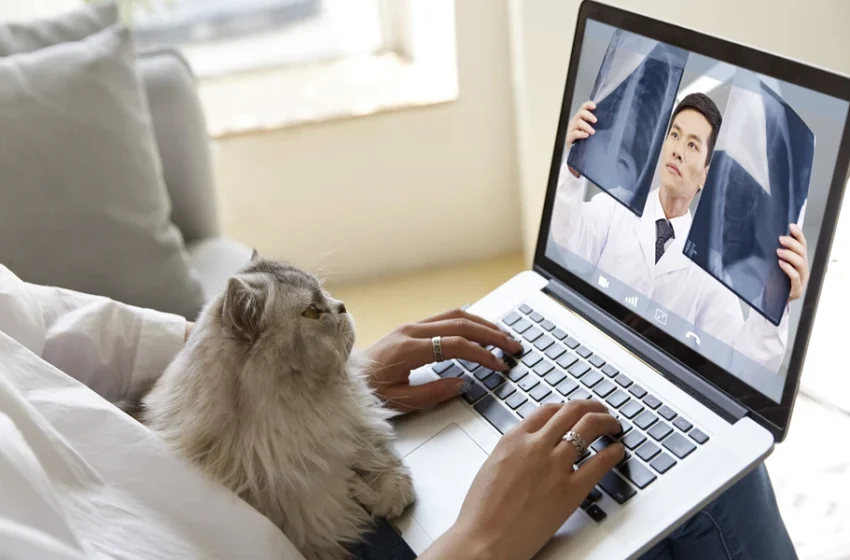
You know the feeling. Your pet starts scratching all night, limps after a jump off the couch, or seems a little off, and you are stuck deciding whether this needs an urgent visit or can wait until morning. That split second of doubt gets expensive fast, and it gets stressful even faster. You want help from a full-service veterinary clinic in Ozark, but you do not want to drag a scared cat into the car or sit in a waiting room for something that could have been handled at home.
That is where telemedicine at veterinary clinics can help, but only in the right situations. Virtual vet care is useful for follow ups, behavior concerns, nutrition guidance, triage, and some skin or mobility check ins. It falls short when a pet needs hands on exams, imaging, lab work, or emergency treatment. Used well, it saves time and lowers stress. Used in the wrong moment, it delays care your pet needed in person.
Virtual veterinary care works best when the problem can be seen, discussed, or monitored
Some pet issues fit a video visit surprisingly well. A dog with a healing incision may only need a visual recheck. A cat with chronic arthritis may need a medication adjustment after you describe changes in movement, appetite, and litter box habits. A new puppy owner may need guidance on diet, crate training, or mild stomach upset. In those moments, remote care can feel like a relief instead of another obstacle.
Virtual veterinary care also helps when continuity matters. If your clinic already knows your pet’s history, a telemedicine visit can build on that relationship. The veterinarian can compare today’s symptoms with past records, prior medications, and recent test results. That context makes remote advice safer and more useful than a one off online opinion from someone who has never seen your pet.
Veterinary schools and clinics saw this shift clearly during the pandemic. Iowa State’s report on being prepared to move online showed how remote systems could support care, teaching, and communication when in person contact was limited. The value was real, but the limits were real too.
Telemedicine at veterinary clinics fails when the pet needs touch, testing, or urgent intervention
A camera cannot feel abdominal pain. It cannot listen to lungs, check hydration accurately, take a temperature, run bloodwork, or tell whether a wound smells infected. If your dog is breathing hard, your cat has not urinated, your rabbit has stopped eating, or your pet may have eaten something toxic, a virtual appointment is not enough. It can even create false comfort when what you needed was a same day exam.
This is where people get tripped up. The symptoms may look small from home. A little lethargy, one episode of vomiting, a slight head tilt. Then the problem unfolds into dehydration, blockage, poisoning, pain, or neurologic disease. You were not careless. You were trying to make a smart call with limited information. That is exactly why good telemedicine should include triage, clear warning signs, and a low threshold for sending you into the clinic.
Rules matter too. Telehealth in animal care is shaped by licensing laws, standards of care, and the veterinarian client patient relationship. Public health and legal resources on telehealth, including the CDC’s telehealth and telemedicine research anthology, reflect a broader truth. Remote care expands access, but it still has to fit professional and legal boundaries. In veterinary medicine, those boundaries can affect what advice a clinician can safely give without an in person exam.
Telehealth for pets has clear benefits and clear limits
For many families, the biggest benefit is lower friction. An anxious dog stays home. A senior pet avoids a tiring trip. You miss less work. You get guidance sooner. That speed can stop small issues from turning into bigger ones, especially when the visit is focused on management rather than diagnosis.
The limits are just as plain. A veterinarian may suspect an ear infection on video, but still need an ear swab and microscope exam before choosing treatment. A skin problem may look like allergies, mites, ringworm, or infection, and those need different care. Convenience does not replace certainty. It just helps narrow the next step.
| Situation | Telemedicine Often Works | In Person Care Is Better |
|---|---|---|
| Post treatment follow up | Incision checks, progress updates, medication review | If swelling, discharge, pain, or fever is present |
| Behavior and nutrition | Anxiety, training guidance, weight management, diet review | If behavior change may be caused by pain or illness |
| Skin concerns | Mild visible rashes, itching history, photo review | If there are open wounds, spreading lesions, or severe discomfort |
| Mobility issues | Gait review by video, arthritis check ins | If your pet cannot stand, cries out, or has sudden paralysis |
| Urgent symptoms | Basic triage and advice on where to go | Breathing trouble, collapse, toxin exposure, seizures, blocked urination |
Public health guidance during outbreaks also highlighted a practical use for remote care. The CDC document archived at this telemedicine resource points to telehealth as a way to reduce unnecessary contact while preserving access to care. That logic applies in veterinary settings too, especially for follow ups and low risk consultations.
Practical steps help you use a veterinary clinic telemedicine visit well
1. Match the visit to the problem. Use remote care for questions that depend on history, observation, or follow up. Choose in person care when your pet may need hands on diagnostics or urgent treatment. If your gut says your pet looks truly unwell, trust that.
2. Prepare before the appointment. Take clear photos and short videos in good light. Write down when symptoms started, what changed, what your pet ate, and any medications given. That small prep work can turn a vague video call into a useful clinical conversation.
3. Ask for red flag guidance. Before the visit ends, get specific instructions on what should trigger an exam, urgent care, or emergency care. “Monitor at home” is not enough. You need to know what worsening looks like in real terms.
Good telemedicine supports veterinary care instead of replacing it
Telehealth for pets is not a shortcut around proper medicine. It is a tool. In the right case, it saves time, lowers stress, and keeps you connected to your veterinary clinic. In the wrong case, it can slow down needed treatment. The goal is not to force every problem into a screen. The goal is to get your pet the right level of care at the right time.
If your clinic offers telemedicine, use it for the moments it handles well and do not hesitate to book an in person visit when your pet’s condition calls for more. That balance is what keeps convenience from becoming compromise.
