Breastfeeding After Cancer: How Soft Tissue Sarcoma Survivors Get Support
- Health
Hilda Yang
- 0
- 10 minutes read
Understanding Soft Tissue Sarcoma and Its Treatment
Soft tissue sarcoma is a rare type of cancer that originates in the soft tissues of the body, including muscles, fat, blood vessels, and nerves. Its complexity requires individualized treatment plans that often encompass surgery, radiation, and chemotherapy. Understanding the nature of this cancer is crucial, as it influences treatment choices and subsequent lifestyle modifications, such as breastfeeding.
The treatment for soft tissue sarcoma is heavily dependent on the tumor’s location, size, and stage. Surgical removal is often the primary approach, aiming to excise the tumor with clear margins. Radiation therapy may be utilized either before or after surgery to shrink the tumor or eliminate residual cancer cells. Chemotherapy is less common but can be used in certain cases, especially when the cancer has metastasized.
Each treatment modality comes with its own set of challenges and side effects. For women who wish to breastfeed post-treatment, these challenges can become particularly pronounced. The physical and emotional toll of cancer treatment can make the prospect of breastfeeding seem daunting. However, with the right support and guidance, many survivors find ways to successfully nurse their children.
The Impact of Soft Tissue Sarcoma Treatment on Breastfeeding
The effects of soft tissue sarcoma treatment on breastfeeding can be profound, particularly for those who have undergone surgeries or radiation in the chest area. These treatments can alter breast tissue, affect milk production, and even change the physical capacity to breastfeed. Understanding these impacts is the first step in overcoming them.
Surgical treatments, especially those involving large resections or reconstructions, can lead to changes in breast shape and sensitivity. These changes might affect the ability to produce milk or the baby’s ability to latch effectively. Radiation therapy can result in decreased milk supply by damaging the glandular tissue, further complicating breastfeeding efforts.
Despite these challenges, it’s important to remember that successful breastfeeding after soft tissue sarcoma treatment is possible with adequate support. Many survivors have found ways to work with their bodies’ new realities, using tools and techniques that facilitate breastfeeding. This often involves collaboration with healthcare professionals to develop strategies tailored to their specific circumstances.
Importance of Lactation Support for Soft Tissue Sarcoma Survivors
Lactation support is a lifeline for many soft tissue sarcoma survivors who wish to breastfeed. Professional guidance can bridge the gap between the desire to nurse and the physical challenges imposed by cancer treatment. Understanding the importance of this support can empower survivors to seek out the resources they need.
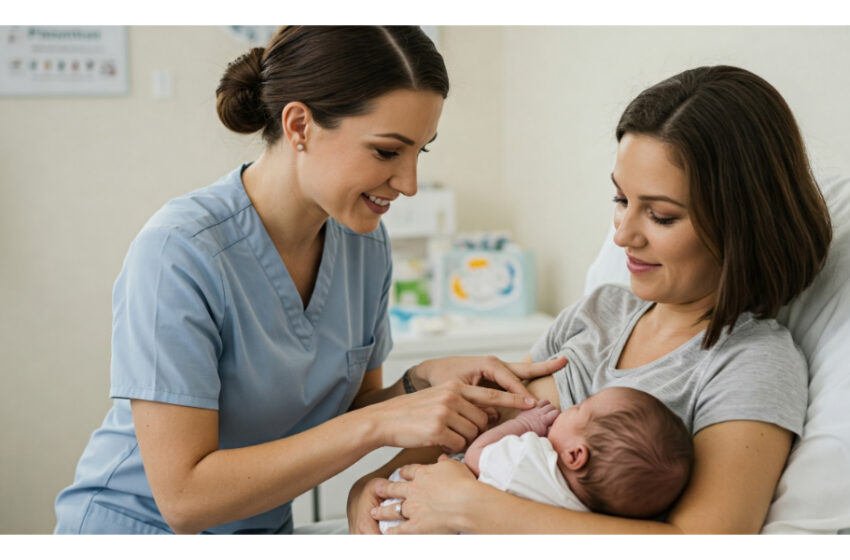
Lactation consultants play a crucial role in providing personalized advice and assistance. They can help you navigate challenges such as insufficient milk supply, difficulty in latching, or discomfort during nursing. Their expertise in managing these issues can significantly enhance your breastfeeding experience, offering both practical solutions and emotional encouragement.
Beyond individual consultations, support groups provide an invaluable network of encouragement and shared experiences. Engaging with other survivors who understand the unique challenges of breastfeeding post-cancer can offer both comfort and practical insights. These communities can inspire confidence and resilience, reinforcing that you are not alone in your journey.
Women’s Health Considerations Post-Cancer Treatment
Post-cancer treatment, maintaining overall health becomes a priority, particularly for women who have undergone therapies affecting the chest area. Ensuring optimal health is essential not only for successful breastfeeding but also for reducing the risk of cancer recurrence and managing long-term side effects.
Regular follow-ups with your healthcare provider are crucial. These visits allow for ongoing monitoring of your health status, including breast health, hormone levels, and general well-being. They also provide an opportunity to discuss any concerns you may have about breastfeeding, enabling timely interventions if necessary.
In some cases, hormone levels may remain imbalanced following cancer treatment, affecting both energy levels and lactation. Clinics like Inception Telehealth & Wellness offer telehealth-based hormone replacement therapy (HRT) and personalized care strategies that may support recovery and long-term wellness in a convenient, accessible manner. While HRT may not be suitable for all post-cancer patients, especially those with hormone-sensitive cancers, discussing individualized options with your provider can help determine what’s appropriate for your situation.
Incorporating a balanced diet and regular exercise into your routine can further enhance your recovery and overall well-being. Nutritional support can help replenish your body’s resources, which is particularly important if you are breastfeeding. Physical activity, tailored to your abilities and limitations, can boost your energy levels and improve your mood, contributing to a more positive breastfeeding experience.
General Medicine’s Role in Supporting Breastfeeding After Cancer
The role of general medicine in supporting breastfeeding after cancer is significant. General practitioners, along with specialists, form the backbone of a multidisciplinary approach to post-cancer care. Their involvement ensures that your breastfeeding journey is supported by comprehensive healthcare.
Your general practitioner can coordinate care between oncologists, surgeons, and lactation consultants, ensuring a seamless integration of services. This coordination is crucial in addressing the multifaceted nature of post-cancer breastfeeding challenges. It ensures that all aspects of your health are considered when developing a breastfeeding plan.
Moreover, general practitioners can provide ongoing health education and preventive care, which are essential for both you and your baby. They can monitor your recovery, manage any side effects of treatment, and offer advice on maintaining a healthy lifestyle. This holistic approach supports not only your breastfeeding efforts but also your overall health as a cancer survivor.
Tips for Breastfeeding After Soft Tissue Sarcoma Treatment
Breastfeeding after soft tissue sarcoma treatment may require some adjustments and adaptations. Here are some tips that can help you navigate this journey with greater ease and confidence:
- Seek Professional Guidance: Engage with lactation consultants early on. They can help assess your specific needs and provide tailored advice for overcoming breastfeeding challenges.
- Be Patient and Persistent: Recognize that breastfeeding may not happen smoothly at first. Give yourself grace and time to adjust to the changes in your body.
- Explore Alternative Feeding Methods: If direct breastfeeding proves too challenging, consider pumping and bottle feeding. This allows your baby to receive breast milk while accommodating your needs.
- Use Supportive Devices: Breastfeeding pillows, nipple shields, and other supportive devices can enhance comfort and facilitate better latching for your baby.
- Stay Informed and Engaged: Keep yourself informed about your condition and the available resources. Join support groups and online communities to connect with others facing similar challenges.
Finding the Right Lactation Support Resources
Finding the right lactation support resources can make a significant difference in your breastfeeding experience. With the right guidance, you can overcome obstacles and find joy in nursing your child, even after undergoing soft tissue sarcoma treatment.
Start by asking your healthcare provider for recommendations. They can refer you to experienced lactation consultants who specialize in post-cancer breastfeeding support. These professionals can assess your unique situation and offer practical advice to help you achieve your breastfeeding goals.
In addition to professional support, consider joining local or online support groups. These communities offer a wealth of shared knowledge and experiences, providing both emotional support and practical tips. Engaging with other survivors who have successfully navigated breastfeeding after cancer can be both inspiring and reassuring.
Personal Stories: Soft Tissue Sarcoma Survivors Who Breastfeed
Personal stories from soft tissue sarcoma survivors who have successfully breastfed can provide invaluable insights and inspiration. Hearing from others who have faced similar challenges reinforces the belief that breastfeeding is possible, even after cancer treatment.
One survivor, Sarah, shared her journey of breastfeeding after undergoing a mastectomy and radiation therapy. Despite initial difficulties, she found success through the use of a breast pump and nipple shields. Her story highlights the importance of persistence and the willingness to explore different methods to achieve breastfeeding success.
Another inspiring story comes from Lisa, who sought the help of a lactation consultant immediately after her treatment. With professional guidance, she was able to establish a nursing routine that worked for both her and her baby. Lisa emphasizes the importance of seeking support early and not being afraid to ask for help.
For new mothers navigating breastfeeding after medical treatment, organizations like Corporate Lactation Services offer specialized support. Their certified lactation consultants provide one-on-one guidance to help mothers overcome challenges related to breastfeeding, especially in complex medical scenarios. Learn more at https://corporatelactation.com/.
Research and Developments in Post-Cancer Lactation Support
Research and development in post-cancer lactation support are continually evolving, offering new hope and solutions for survivors. Advances in medical technology and a deeper understanding of the physiological changes post-treatment are paving the way for better breastfeeding outcomes.
Recent studies have focused on the impact of different treatment modalities on lactation and the effectiveness of various support interventions. These findings are helping to refine strategies for breastfeeding after cancer, ensuring that they are evidence-based and tailored to individual needs.
Innovations in supportive devices, such as advanced breast pumps and feeding aids, are also making a difference. These tools are designed to accommodate the unique challenges faced by cancer survivors, offering practical solutions that enhance comfort and effectiveness during breastfeeding.
Conclusion: Empowering Soft Tissue Sarcoma Survivors in Their Breastfeeding Journey
In conclusion, breastfeeding after soft tissue sarcoma treatment is a journey that requires resilience, support, and adaptation. By understanding the impacts of treatment and leveraging the right resources, you can successfully nourish your child while managing your health.
Remember, you are not alone. Many have walked this path before you, finding strength in their community and professional support. Embrace the resources available to you, and don’t hesitate to seek help when needed. Your health and your baby’s well-being are worth the effort.
If you are a sarcoma survivor facing the challenges of breastfeeding after chest-area surgeries or radiation, reach out for postpartum support. Connect with healthcare professionals who can provide specialized guidance and join communities of fellow survivors. These resources can empower you to navigate this complex journey with confidence and provide the nurturing care your baby deserves.
Together, we can build a supportive network that champions the health and well-being of sarcoma survivors and their families. Let’s ensure that every survivor has the opportunity to experience the joy of breastfeeding, regardless of the hurdles they face.
