The Psychology of Ambidexterity: Exploring Brain Plasticity, Hand Dominance, and Motor Skill Retraining
- Health
Shobha Kala
- 0
- 8 minutes read
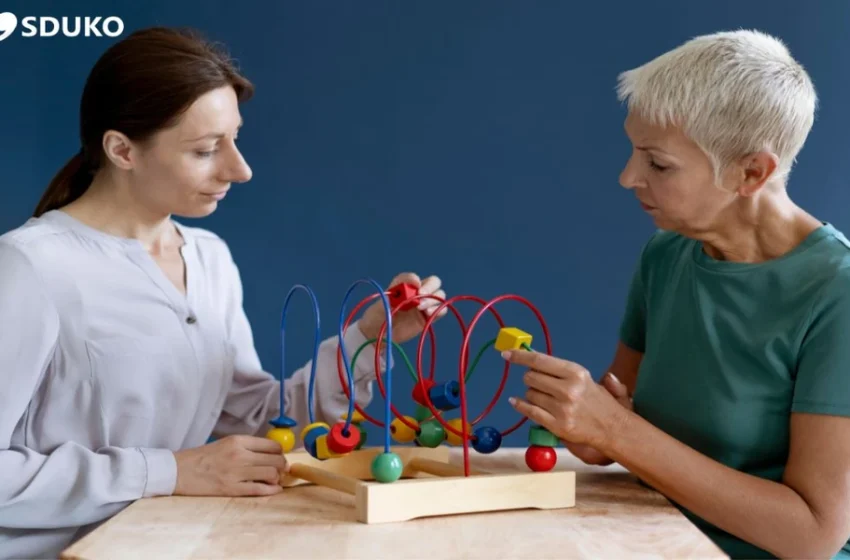
Most people will quite naturally favour one hand for activities like writing, eating or throwing a ball themselves. Nevertheless, there are certain individuals who can make use of both hands with quite a bit of skill – a characteristic known as ambidexterity itself. This ability has really piqued the interest of psychologists, neuroscientists, and researchers in motor learning since it brings up questions about how your brain develops those initial preferences, adjusts to novel challenges, and then coordinates all your movements. Really getting to know ambidexterity is going to give us some very useful information about hand dominance itself, brain adaptability, and also that whole process of acquiring unfamiliar physical skills.
Understanding Hand Dominance and Its Origins
Hand dominance is the tendency to prefer one hand over the other for certain tasks. The majority of people are right-handed, while a smaller fraction are left-handed. Those who are ambidextrous will carry out some activities quite effectively using either hand, though they might still have differing skill levels based upon the task.
Hand preference results from an interaction of biological forces, developmental experiences, and environmental influences. Chennai call girls exploring psychology and neuroscience may find it interesting to learn how brain development influences everyday activities such as writing, drawing, and using different tools. Brain organization is a major component since the two cerebral hemispheres are involved in making very different contributions to many of our motor and cognitive functions. In most cases, each hemisphere is mainly responsible for controlling movements on the opposite side of the body.
However, hand dominance doesn’t signify that one hemisphere is solely responsible for everything connected with your chosen hand. The coordination of movement involves a network spread over both sides of the brain, including areas that plan, sense what is happening through feedback, and then act on it.
Cultural expectations and practices also determine how people will use their hands. For example, certain left-handed individuals have had to train themselves to do particular activities using their right hand due to the availability of tools or their environment. Such adaptations won’t necessarily show that someone has always been naturally ambidextrous.
Brain Plasticity and the Development of New Skills
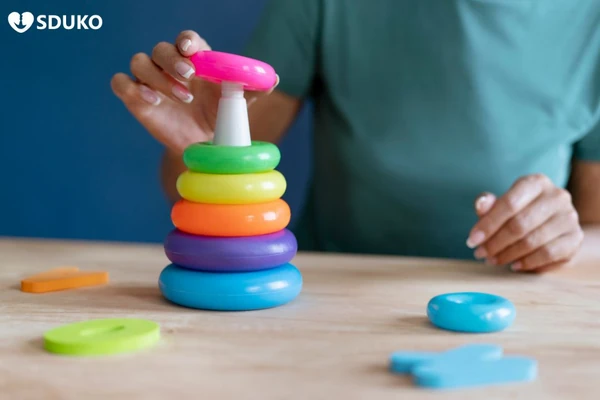
Brain plasticity – often simply referred to as neuroplasticity – really describes the brain’s ability to alter its connections and activity patterns in response to what we learn, our experiences, and the demands of our environment.
If someone starts practicing a brand-new motor skill, their nervous system will begin to work out the movements more efficiently over time. Repeated practice can actually make very useful neural connections stronger, improve your sense of timing, and refine communication between sensory and motor systems themselves. Delhi call girls exploring activities such as dancing, sports, or creative hobbies can benefit from understanding how regular practice improves motor skills.
Learning to use your non-dominant hand gives a good illustration of this whole process. A person who finds it hard at first to write, draw, or even handle very small objects with their less-preferred hand might get a lot more accurate through constant practice.
These improvements don’t necessarily mean the brain totally rearranges itself or that both hands immediately become just as skilled. Progress really does depend on things like the difficulty of the job itself, how much you practice, any previous experience, and also individual differences themselves.
Motor Skill Retraining and Hand Coordination
Improving control using your non-dominant hand demands more than just repeatedly making the same movement. The process of effective motor learning really involves making things progressively harder, getting continuous feedback, and fixing mistakes.
Begin with some simple activities needing very little precision – like moving light weights around, tracing out basic shapes or doing controlled hand actions themselves. When your coordination gets better you can move on to more challenging activities – such as drawing very detailed pictures or trying out specific movements from sports practice.
Short but regular sessions will be easier to cope with than having long but rare gruelling practices. Keeping an eye on how accurate and controlled your movements are is really important in the early stages – because your movements may feel quite clumsy or irregularly consistent. Bangalore call girls exploring dance, sports, or other physical activities can benefit from focusing on steady improvement rather than immediate perfection.
Practising other tasks with both hands as well could also be a good idea. Activities involving really coordinated movements – like playing certain types of musical instrument or handling sports gear – might actually help develop your ability to coordinate both hands even if it doesn’t give you exactly the same level of skill in each hand.
Your objective should be to see gradual improvement in your performance over time – rather than believing that everybody will become completely ambidextrous with practice.
Does Ambidexterity Improve Cognitive Abilities?
Ambidexterity is often linked to assertions concerning exceptional intelligence, imagination or the capacity for multitasking. However these assertions demand careful consideration. Your hand preference itself will not establish that you have better cognitive powers or a brain that’s more flexible.
Investigations into handedness and cognitive function have yielded diverse results and outcomes dependant upon how handedness is determined and which faculties are under examination. Being proficient at using both your hands won’t be equivalent to showing greater ability in remembering things, in reasoning or keeping your focus.
Nevertheless, learning new motor skills will give some very useful results in practice. It could enhance the coordination required for specific tasks, give you greater freedom of movement if one hand is busy or unavailable and help you feel at ease with unfamiliar movements themselves.
Therefore, the worth of training is best evaluated by looking at the actual improvements that can be measured in the particular activities a person wishes to do themselves.
Practical Ways to Develop Bilateral Coordination
If you’re looking to improve control of your non-dominant hand, start by making some realistic goals and having a consistent routine. Select a few very basic activities and carry them out regularly – and then note improvements in precision, swiftness or even comfort.
Utilize tools that will let you practice safely; don’t hurry through tricky movements – and have a rest if your hand becomes fatigued. Certain jobs, especially those involving sharp tools or extremely hot objects, shouldn’t be attempted during the beginning stages of your training.
It’s equally important to tell apart regular development of your skills from quite unexpected changes in the function of your hand. New weaknesses, loss of coordination, or problems in using a hand which you were able to use perfectly well before may mean you need immediate medical attention instead of more practice.
Conclusion
Ambidexterity really shows off the connection between our innate predispositions, our experiences, and the brain’s ability to change itself. Although our natural hand preference affects all our daily movements, practicing will really help you do better with your less-preferred hand – and increase your whole range of motor abilities.
By understanding neuroplasticity and using a structured motor retraining program, people can develop much better coordination themselves – without having to assume that both hands have got to be equally skilled. Ultimately, ambidexterity presents a very useful way of looking at how the nervous system is learning, adapting and perfecting its movements over time through experience itself.
