Weight, Hormones, and Whole-Body Health: A Coordinated Care Perspective
- Health
Tracy Donna
- 0
- 8 minutes read
Understanding Metabolic Health Beyond the Scale
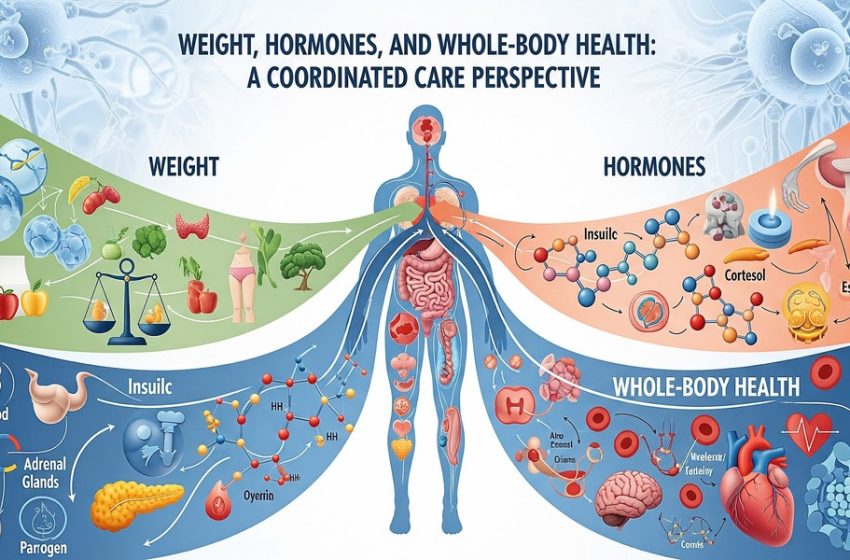
Weight is often discussed as a numerical outcome-pounds gained or lost, body mass index, or clothing size. Yet metabolic health is far more complex than a single measurement. It reflects how the body processes energy, regulates blood sugar, responds to insulin, and maintains balance across interconnected systems. When these processes are disrupted, weight changes may appear as an early signal rather than the core issue itself.
Hormones play a central role in this balance. Insulin, cortisol, estrogen, testosterone, and thyroid hormones all influence how the body stores fat, builds muscle, and manages hunger and energy levels. When one hormone is out of balance, it can create a cascade of effects across the body. Fatigue, mood changes, disrupted sleep, and difficulty losing weight may all stem from the same underlying metabolic stress.
Recognizing weight changes as part of a broader physiological story shifts the focus from quick fixes to long-term health. Coordinated care models aim to understand why the body is responding a certain way, rather than simply treating the visible outcome. This perspective allows individuals to address root causes while supporting sustainable wellness.
Hormonal Regulation and Its Impact on Weight Management
Hormones act as messengers, continuously adjusting bodily functions in response to stress, nutrition, activity, and life stages. When these signals are clear and balanced, metabolism adapts efficiently. When they are disrupted-due to chronic stress, nutritional deficiencies, aging, or medical conditions-weight regulation becomes more difficult despite best efforts.
Programs focused on structured weight loss and wellness, such as those offered by PhySlim, often address this complexity by evaluating metabolic markers alongside lifestyle factors. Rather than isolating diet or exercise alone, a hormone-aware approach looks at how insulin resistance, inflammation, and appetite-regulating hormones interact over time. This allows care plans to be tailored to the individual rather than relying on generalized solutions.
Similarly, EveresT Men’s Health highlights how hormonal changes-particularly testosterone fluctuations-can influence weight gain, muscle loss, and energy levels in men. These changes are not simply cosmetic concerns; they affect cardiovascular health, mental well-being, and long-term metabolic resilience. Addressing hormone balance alongside medical weight loss can help stabilize these systems rather than placing additional strain on them.
The Role of Reproductive Hormones in Metabolic Wellness
Reproductive hormones influence far more than fertility. Estrogen and progesterone, for example, affect insulin sensitivity, fat distribution, and inflammatory responses throughout the body. When imbalances occur, individuals may notice unexplained weight changes, irregular cycles, or difficulty maintaining energy despite healthy habits.
Clinics such as Newton-Wellesley OB/GYN, which address infertility and hormonal imbalance treatment, often see how metabolic and reproductive health overlap. Conditions like polycystic ovary syndrome (PCOS), thyroid dysfunction, or perimenopause-related changes illustrate how hormone shifts can affect both weight and reproductive outcomes. Supporting hormonal balance can therefore play a meaningful role in improving overall health-not just conception.
Importantly, reproductive health challenges are rarely isolated issues. They often intersect with stress, sleep disruption, and metabolic strain. Coordinated care acknowledges these overlapping influences, allowing patients to address fertility concerns while also supporting long-term metabolic stability and emotional well-being.
Stress, Cortisol, and the Body’s Protective Responses
Stress is frequently underestimated in discussions about weight and hormones. Cortisol, the body’s primary stress hormone, plays a protective role in short bursts but can become disruptive when elevated chronically. Prolonged stress signals the body to conserve energy, increase fat storage, and alter appetite cues-responses rooted in survival rather than modern wellness goals.
When cortisol remains elevated, it can interfere with insulin sensitivity and exacerbate hormonal imbalances. This often leads to cycles of fatigue, cravings, and weight fluctuations that feel resistant to traditional interventions. Addressing stress physiology becomes a necessary component of metabolic care, not an optional one.
A coordinated approach integrates stress management alongside medical and nutritional strategies. This may involve evaluating sleep patterns, workload, emotional strain, and recovery time. Supporting the nervous system helps restore hormonal communication, allowing weight and metabolic health efforts to work with the body instead of against it.
Why Integrated Weight and Hormone Care Matters
Fragmented care can unintentionally overlook how interconnected the body truly is. Treating weight concerns without evaluating hormones may lead to temporary results followed by rebound effects. Similarly, addressing hormonal symptoms without considering metabolic health can limit long-term success. Integrated care bridges this gap.
Weight loss and wellness programs, medical weight loss services, and reproductive health providers each contribute essential perspectives. When insights from these areas are aligned, individuals receive clearer guidance and more realistic expectations. The focus shifts from rapid outcomes to sustainable change supported by physiological balance.
This model also empowers patients. Understanding how hormones, metabolism, and lifestyle interact fosters informed decision-making and reduces self-blame. Weight challenges become something to understand, not something to fight against.
Long-Term Health Outcomes and Preventive Care
Metabolic and hormonal health influence more than weight-they affect cardiovascular risk, bone density, cognitive function, and emotional resilience. Addressing these factors early can reduce the likelihood of chronic disease later in life. Preventive care is most effective when it accounts for the body’s interconnected systems rather than isolated symptoms.
Medical oversight in weight management allows for monitoring changes over time. Adjustments can be made as life circumstances shift, such as aging, pregnancy planning, or changes in activity level. This adaptability is key to maintaining long-term wellness.
Coordinated care also emphasizes patience. Hormonal recalibration and metabolic healing take time, and progress is not always linear. Viewing health as an evolving process encourages consistency, self-compassion, and realistic goal-setting.
A Whole-Body Perspective on Healing and Balance
Weight, hormones, and overall health are deeply intertwined, each influencing the others in subtle but powerful ways. When care acknowledges this complexity, individuals are better supported through transitions, challenges, and long-term health goals. Coordinated approaches honor the body’s natural systems rather than forcing them into narrow definitions of success.
True wellness emerges when medical guidance, lifestyle support, and hormonal understanding work together. This collaborative model allows people to feel seen not as a number or diagnosis, but as whole individuals navigating interconnected physical and emotional landscapes.
In the end, healing is rarely about correcting a single issue. It is about restoring balance, building trust in the body’s signals, and creating care pathways that adapt as life unfolds-one thoughtful step at a time.
