7 Ways to Treat Oily Scalp at an Orchard Hair Salon in Singapore
- Beauty
Celina Lawn
- 0
- 5 minutes read
Key Takeaways
- Professional treatments regulate oil production at the scalp rather than masking surface grease.
- Humidity in Singapore can worsen scalp imbalance and requires targeted care.
- Salon diagnostics help distinguish oiliness from buildup or irritation triggers.
Introduction
Managing persistent oiliness often starts with seeking an oily scalp treatment in Singapore, especially when daily washing no longer keeps hair feeling fresh. In humid environments, oil production tends to increase as the scalp reacts to heat, sweat, and product residue. This creates a cycle where hair feels heavy shortly after cleansing, leading to repeated washing that can worsen the imbalance. Visiting an Orchard hair salon introduces a more structured approach that focuses on restoring scalp condition rather than temporarily removing oil. Understanding how professional care addresses underlying causes helps individuals move towards longer-lasting results.
1. Identifying the Root Cause of Excess Oil
An effective treatment begins with identifying what drives oil production in the first place. Factors such as environmental exposure, lifestyle habits, and scalp sensitivity all influence how the skin behaves. When these elements go unexamined, individuals often rely on general solutions that do not address their specific condition. A professional assessment creates a clearer starting point, allowing treatments to align with actual scalp needs instead of assumptions based on surface symptoms.
2. Using Scalp Analysis for Accurate Diagnosis
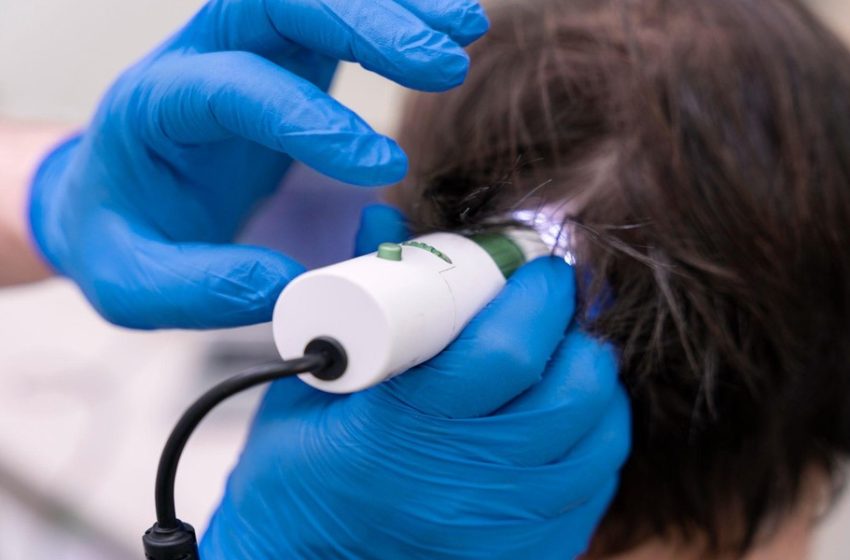
A detailed analysis provides insight into how the scalp functions beneath visible hair. Digital tools allow specialists to examine pore condition, residue levels, and signs of irritation. This process helps differentiate between natural oil production and buildup caused by styling products or incomplete cleansing. With accurate information, treatment plans can target the correct issue, which prevents unnecessary adjustments that may disrupt the scalp’s balance.
3. Deep Cleansing Beyond Surface Washing
Standard shampoos remove surface oil, yet they may not fully clear hardened sebum that accumulates over time. Professional treatments use controlled exfoliation techniques that lift impurities without stripping the skin. This approach ensures that follicles remain open and functional, which supports healthier hair growth. By removing deeper buildup, the scalp becomes less reactive, which reduces the need for frequent washing.
4. Restoring Moisture Balance in the Scalp
Excess oil does not always indicate adequate hydration, as the scalp may still lack internal moisture. When dryness occurs beneath surface oil, the body often compensates by producing more sebum. Professional treatments focus on restoring balance by introducing controlled hydration that stabilises this response. Maintaining this equilibrium helps prevent the cycle of overproduction and keeps hair feeling lighter for longer periods.
5. Managing Environmental Triggers in Humidity
Climate conditions play a significant role in scalp behaviour, particularly in regions with consistent heat and moisture. Sweat, pollution, and daily exposure contribute to residue buildup that affects oil levels. A structured treatment plan accounts for these external factors by incorporating cleansing and protective elements suited to local conditions. This ensures that the scalp remains manageable even when environmental stress remains constant.
6. Supporting Circulation Through Targeted Techniques
Healthy circulation supports the delivery of nutrients to hair follicles, which contributes to stronger growth. Professional treatments often include massage methods that stimulate blood flow without irritating the scalp. This process complements cleansing by encouraging a balanced environment where follicles function effectively. Over time, improved circulation supports both scalp condition and hair quality.
7. Maintaining Results Through Consistent Care
Long-term improvement depends on maintaining the results achieved during oily scalp treatment in Singapore. A consistent routine ensures that oil levels remain controlled without reverting to previous patterns. Professional guidance helps individuals adapt their daily care without relying on excessive washing or unsuitable products. With regular follow-up, the scalp retains its balance and supports a more manageable hair texture.
Conclusion
Treating an oily scalp requires a shift from reactive habits to structured care that addresses underlying imbalances. When each step focuses on restoring stability rather than removing oil alone, the scalp becomes easier to manage over time. Professional support provides the clarity needed to maintain consistent results despite environmental challenges.
Contact Stile Hair Studio to schedule your oily scalp treatment in Singapore and restore long-term scalp balance.
