4 Popular Live Station Catering Concepts for Weddings
- Food
Hilda Yang
- 0
- 6 minutes read
Key Takeaways
- Live station catering adds interaction and movement to wedding receptions.
- Different food stations suit different wedding styles, guest sizes, and venue layouts.
- Couples often choose live stations to improve food freshness and reduce buffet congestion.
- A professional catering company typically customises station setups based on venue and guest requirements.
Introduction
Wedding catering formats have changed significantly over the years. While traditional buffet lines remain common, many couples now prefer setups that create a more interactive dining experience. One option that continues to gain attention is live station catering, where food is prepared or assembled on-site in front of guests. This format combines food service with visual engagement, allowing guests to customise meals while reducing long waiting times at buffet tables.
Modern weddings also place greater focus on guest experience rather than simply serving large quantities of food. Due to this, live food stations are now frequently included alongside buffets, plated courses, or cocktail-style receptions. A catering company in Singapore may offer different station concepts depending on venue size, wedding theme, and guest demographics.
Below are four live station catering concepts commonly seen at modern weddings.
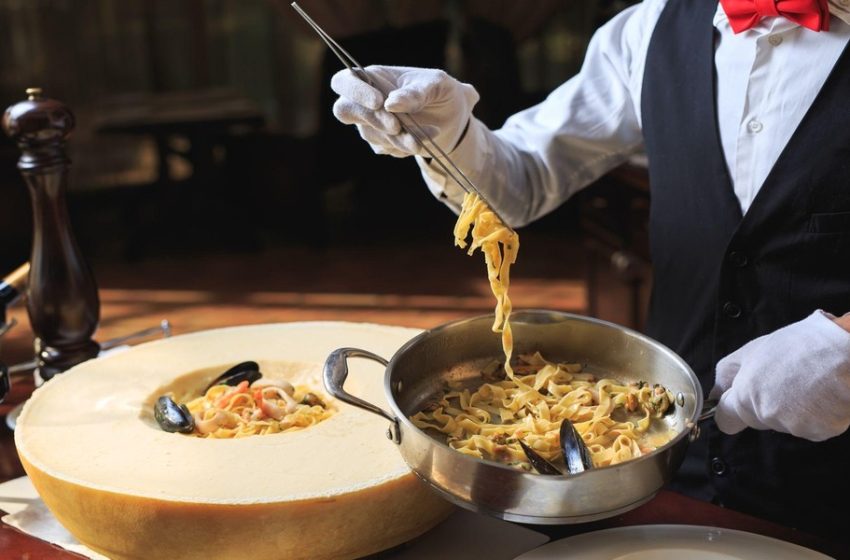
1. Pasta and Italian Cooking Stations
Pasta stations remain one of the most requested options for wedding events because they are flexible and suitable for a wide range of guests. Unlike pre-prepared pasta dishes placed in buffet trays, live stations allow chefs to cook pasta on demand using selected sauces, toppings, and ingredients. Guests can choose combinations based on dietary preferences or portion sizes, which helps reduce food wastage during large receptions.
Italian live stations also work well because preparation times are relatively short. This instance helps maintain smooth guest flow during peak dining periods. Some couples choose to expand these stations by including risotto preparation, wood-fired pizza counters, or antipasti displays. These additions create variety without requiring a fully separate cuisine setup.
From an operational perspective, pasta stations are practical for indoor hotel ballrooms and outdoor venues because the cooking equipment can often be adjusted according to space limitations. This characteristic makes them a common feature in both formal and semi-casual wedding receptions.
2. Carving Stations for Premium Dining Experiences
Carving stations are frequently used at weddings where couples want a more formal dining atmosphere without committing to plated service. These stations usually feature roasted meats such as beef, lamb, turkey, or chicken carved directly in front of guests by chefs. The visual presentation often becomes part of the reception experience itself.
One reason carving stations remain popular is their ability to balance efficiency and presentation. Guests receive freshly sliced portions rather than pre-cut meat sitting under heating lamps for extended periods. This instance improves texture and temperature consistency throughout service hours.
Many live carving stations are also paired with side dishes, sauces, and bread selections nearby to streamline movement around the reception area. Wedding planners often position these stations strategically to reduce crowd build-up near buffet sections. Meanwhile, in larger receptions, multiple carving stations may be used to distribute guests more evenly across the venue.
3. Asian Hawker-Style Live Stations
Many couples now incorporate local food culture into their weddings through hawker-inspired live stations. These stations may include satay grilling, noodle preparation, dim sum steaming, roti prata flipping, or rice bowl assembly. This concept is particularly common at multicultural weddings where organisers want to offer familiar comfort food alongside international dishes.
Hawker-style setups are effective because they create movement and energy within the venue. Guests are often more engaged when they can watch food being prepared live rather than selecting dishes from static buffet trays. The cooking process itself becomes part of the entertainment.
This form of live station catering also supports menu flexibility. Different stations can cater to different dietary requirements or spice preferences without forcing guests into a single standardised menu. Meanwhile, for evening receptions, these stations are especially useful because guests tend to prefer lighter or freshly prepared items instead of heavy plated meals.
4. Dessert and Beverage Live Stations
Dessert stations have evolved beyond standard cake tables. Modern weddings increasingly feature live dessert preparation such as crepe stations, waffle counters, shaved ice setups, or artisanal ice cream stations. Beverage stations offering mocktail mixing, specialty coffee preparation, or bubble tea assembly are also becoming more common.
These stations are particularly effective during the later part of wedding receptions when guests begin moving around more freely after formal programmes conclude. They encourage interaction while giving guests additional refreshment options without requiring another full meal service.
Dessert live stations also work well for social media-focused weddings because presentation often plays a strong role in guest engagement. However, operational planning remains important. Stations involving frozen ingredients, heating equipment, or customised toppings require careful coordination between venue management and the catering team.
Conclusion
Live station setups continue to reshape how wedding catering is delivered. Instead of relying entirely on traditional buffet arrangements, many couples now combine interactive stations with formal dining elements to create a more flexible guest experience. Concepts such as pasta preparation, carving stations, hawker-style food counters, and dessert stations each serve different operational and aesthetic purposes.
Once planned properly, live station catering can improve food freshness, guest interaction, and reception flow. An experienced catering company will usually assess venue limitations, guest count, and event format before recommending suitable live station combinations for the wedding.
Contact Elsie’s Kitchen and work with a catering team that can organise practical live station layouts, manage guest flow efficiently, and customise food concepts that suit your wedding style and venue requirements.
