4 Mistakes People Make When Packing a Storage Unit
- Home Improvement
Jessica C. Dills
- 0
- 5 minutes read
Key Takeaways
- Improper packing can lead to damaged belongings and wasted space inside a storage unit.
- Weak boxes and poor stacking methods increase safety risks during long-term storage.
- Proper labelling helps users retrieve items efficiently from storage locker units.
- Protective packing materials reduce damage to fragile and moisture-sensitive belongings.
Introduction
Using storage locker units is a common solution for people who need temporary or long-term space for furniture, documents, inventory, or personal belongings. However, many storage problems happen because items are packed incorrectly before entering the facility. Poor preparation can lead to damaged possessions, inefficient use of space, and difficulty retrieving items later.
Packing a storage unit properly requires planning, organisation, and suitable materials. Many users focus only on fitting as many items as possible into the space, but accessibility and protection are equally important.
Below are four common mistakes people make when packing storage spaces and why avoiding them matters.
1. Using Weak or Overloaded Boxes
One of the biggest mistakes involves using unsuitable boxes for storage. Old or damaged cartons may appear usable at first, but they often weaken over time, especially when stacked under pressure for several months. Weak boxes can collapse and damage the items underneath them inside storage locker units.
Overloading boxes is another common issue. Heavy items such as books, tools, and electronics should not be packed into large cartons because the weight becomes difficult to manage safely. Boxes that are too heavy can tear during transportation or collapse when lifted repeatedly.
Using consistent box sizes also improves organisation. Uniform boxes stack more securely and maximise vertical storage space within a storage unit. Smaller boxes should hold heavier belongings, while larger cartons are more suitable for lighter objects such as clothing or linens.
2. Failing to Label and Organise Items Properly
Many people skip labelling because they assume they will remember where everything is stored. However, after several weeks or months, this becomes difficult. Unlabelled boxes force users to open multiple containers just to locate a single item, creating unnecessary inconvenience.
A clear labelling system improves efficiency when using storage locker units. Each box should indicate its contents and whether the items inside are fragile. Some people also group boxes by category, such as kitchenware, office equipment, or seasonal decorations.
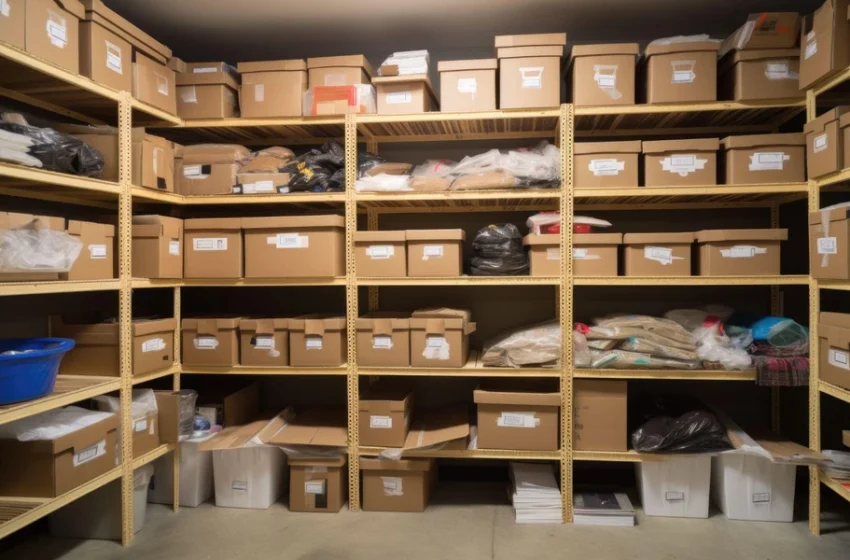
Organisation inside the unit matters as much as labelling. Frequently used belongings should remain near the entrance, while long-term storage items can be placed deeper inside the storage unit. Leaving small pathways between stacks also makes retrieval easier without needing to move everything around.
3. Ignoring Protection for Fragile Items
Another common mistake is failing to protect delicate belongings properly. Glassware, electronics, mirrors, artwork, and wooden furniture require additional cushioning during storage and transportation. Remember, without proper protection, items can become scratched, cracked, or permanently damaged.
Bubble wrap, foam sheets, and protective covers help minimise movement and impact damage. Furniture should also be disassembled where possible to save space and reduce strain on joints or corners. Small hardware parts should be placed in labelled bags to avoid misplacement.
Environmental conditions should also be considered when using a storage unit. Moisture-sensitive items such as paper documents, fabrics, and photographs can deteriorate if left exposed for long periods. Sealed plastic containers and moisture absorbers provide additional protection against humidity and dust.
4. Stacking Items Unsafely
Improper stacking creates both safety and accessibility problems inside storage locker units. Heavy boxes placed on top of lighter ones can cause stacks to collapse, damaging belongings and increasing the risk of injury during retrieval.
Weight distribution is important when arranging a storage unit. Heavy furniture and large cartons should remain at the bottom, while lighter or fragile items stay near the top. Items should also be stacked evenly to maintain stability.
Another issue involves blocking access with bulky furniture or oversized boxes. Some users place large items near the entrance without considering future access needs. Keeping commonly used belongings accessible reduces unnecessary handling and improves organisation throughout the storage period.
Conclusion
Packing storage spaces properly requires more than simply placing belongings into empty space. Weak boxes, poor organisation, inadequate protection, and unsafe stacking methods can all lead to damaged items and unnecessary inconvenience. Remember, by using suitable packing materials and organising belongings carefully, users can maximise space and improve accessibility inside storage locker units. A properly packed storage unit provides better protection, safer storage conditions, and a more efficient long-term storage experience.
Visit SpaceHub to guarantee your items stay accessible and protected throughout the storage period.
